I have just set up my new Substack page: please visit and subscribe, it is free, there is no paywall and it is available for comments or discussions either on the post or in the pages.
I have chosen this painting as the emblem for the site .
The painting is held in a private collection. Oil on canvas 56.2 x 100.5 cm. c. 1892.
Best known for his vivid landscape paintings especially images in and around Sydney Harbour, Streeton was also a skilled genre artist. The painting above seems to have disappeared from public recognition, as it does not conform to the normative narrative about Streeton’s paintings. The way paintings exist in the public sphere, and then disappear from it, is one means by which art can become fugitive. Artists also think about fugitive colors, a well-established problem in oil-painting. Many well-loved colors used by artists over the years are fugitive: that is, they appear rich and strong when first painted, but over time and in unstable conditions they can lose definition and fade away.
Much art-writing is like this: our responses to art change so much, both personally and in terms of the Zeitgeist. A new generation is re-discovering forgotten art, sometimes bringing back genres and styles long considered old-fashioned and discredited. Here is a place for people who love and appreciate painting, who engage with art history and think about technique, to express their understandings. Neglected artists and art-styles, the commercial practice and presentation of art, appreciation and critique find a home here.
My Substack site is dedicated to recovering the fugitive in art, revealing the obscured, refinding the rejected and appreciating some of the strands of thought, mind and materiality which go to make up the world of painting.
Substack is a subscription model for writers who don’t want to be published under today’s conditions of mass stupidity and bad faith – people who are sick of being unable to express their views without editorial intervention and unwarranted censorship. It is especially good for displaced journalists and writers who can no longer find anyone to publish what they write. As newspapers have either disappeared or become completely irrelevant, there is no basis for a reader community around any particular writer of the kind which used to happen in the old newspaper days.
This of course destroys the possibility of criticism, as we have understood it, and thoroughly silences “public intellectuals” which you may think is the intention if you are a conspiracy theorist as we all must be these days. Substack offers a way for displaced writers and refugee journalists to go on writing things that readers want to read and to make a living from it. While a number of Substack writers offer free material, most have a paywall.
I started with Substack a short time ago and not long afterwards cancelled it. I really didn’t like the paywall, where the reader was drawn into following someone’s writing only so far and then had to pay $6 or $8 or whatever per month to keep reading. Now this mightn’t seem much, but these days if you have three, four, five, or more subscriptions for streaming television which you just cannot live without, there isn’t much likelihood that you can afford more subscriptions for individual writers. I cancelled my original Substack when I discovered it was almost entirely US based and consisted of an alarming amount of personal whingeing and moaning and stuff about healing and self-development. However John McDonald has led me to change my mind and I opened a new Substack using a different email address.
Substack offers a place where criticism can exist. Many people don’t like critics. In these delicate times, criticism is understood as hostility or attack, or, at the very least, it is dismissed because “it is just that person’s point of view”. Now that the Real has been displaced and Truth is considered an absurdity, the very idea of criticism is an insult to delicate sensibilities. The Sydney Morning Herald has seemingly embraced this damp Zeitgeist enthusiastically, and in the process dispensed with John’s services.
Art critics have always had a particularly hard time of it. Often they didn’t seem to have any idea what they were writing about, but I followed John McDonald, who wrote a coruscating prose based on a profound understanding of painting in particular and its role in Australian culture and history. John was once the Curator of Australian Art at the National Gallery in Canberra until he fell out with the director Dr Brian Kennedy over the purchase of Eugene von Guérard’s monumental Govett’s Leap and the Grose River Valley. How much I adore that epic romantic painting. It’s one of the main reasons I moved to the Blue Mountains. But that’s another story.
Above: Eugene von Guerard. Govett’s Leap and Grose River Valley. 1873. Oil on canvas, 68.5 x 106 cm. NGA 2000.53.
John was Sydney’s most thoughtfully outspoken art critic. I never failed to read his columns. I was especially impressed by and grateful for the way he championed the art of Elisabeth Cummings over the many years when her spectacular art was almost entirely overlooked in mainstream public contexts. (See my comments here: https://annette-hamilton-art-writing.com/tag/elisabeth-cummings/) John McDonald was one of the few who truly grasped the importance of her painting.
He also ran his own website and distributed a newsletter, but I did not subscribe because … well, because I thought I would read it in the paper… but I completely stopped reading any Australian journals or newpapers other than the Blue MountainsGazette around two years ago. Only when I saw a flurry this week about his sacking from the Herald on Instagram did I realise I hadn’t read his column in ages. I do have access to a digital version of the Herald but I hardly ever read it.
Until recently, if you didn’t regularly buy or subscribe to the Herald, you could read John’s pieces at his website from which he issued a Newsletter.
That site is still up and is absolutely full of gems about the Australian art scene over recent decades. I strongly recommend it for a good read.
BUT from last week, 17th October 2024, John is writing on his own Substack and has announced this change of address officially to@ jmcdartcritic. I signed up right away as a paid subscriber. This is exactly what a paid subscription is for – so someone can go on being a public intellectual or writer with an audience who follows and hopefully engages with them.
I hope lots of people sign up, and will also engage in some sensible and meaningful discussion of Australian art via the site. I just hope there are ways of keeping trash and trolls off it.
It’s been a long time between posts on this site and I want to apologise. I have been increasingly absorbed by the experience of painting. My own painting has been moving in difficult directions and has raised all kinds of issues about art itself and the value of “doing it” as against just looking at it, or writing about it. I hope to take this up this up more in future posts. I have also neglected the still undeveloped site at annettehamiltonartist.com which has lain idle in the welter of activities. I have been fortunate to attend a number of classes and workshops with great old-school painters and I have continued work mainly on landscapes focussed on the Seven Valleys of the sandstone mountains. More or less at the same time I have gone back to my paintings based on the desert interior around Broken Hill.
My art site is being updated now, visit there for more of these works and recent reflections on painting.
Stunning light in the Megalong Valley: working on an oil of this scene
The Last of the Bitumen: Mundi Mundi, near Silverton: trying this one in acrylic
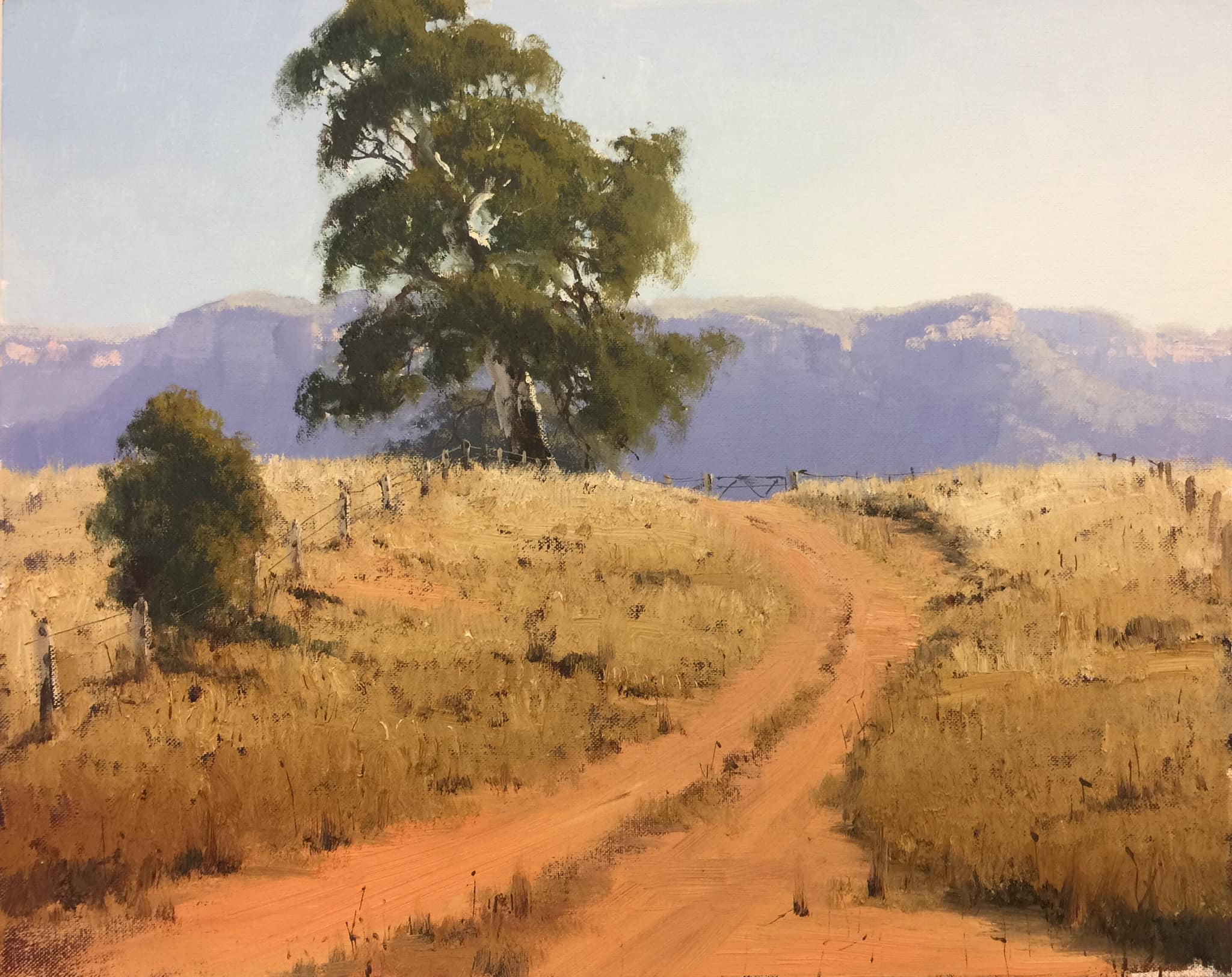
John Wilson’s stunning oil of road and trees in the Capertee Valley: I attended his workshop at this site in February 2021
My version of the same scene after rain: so much was wrong with it!
BY THE WAY: (Some self-promotion)As many of you know I have been pursuing my writing “career” over the past several years. Visit my writing site for further information and updates: annette-hamilton.com
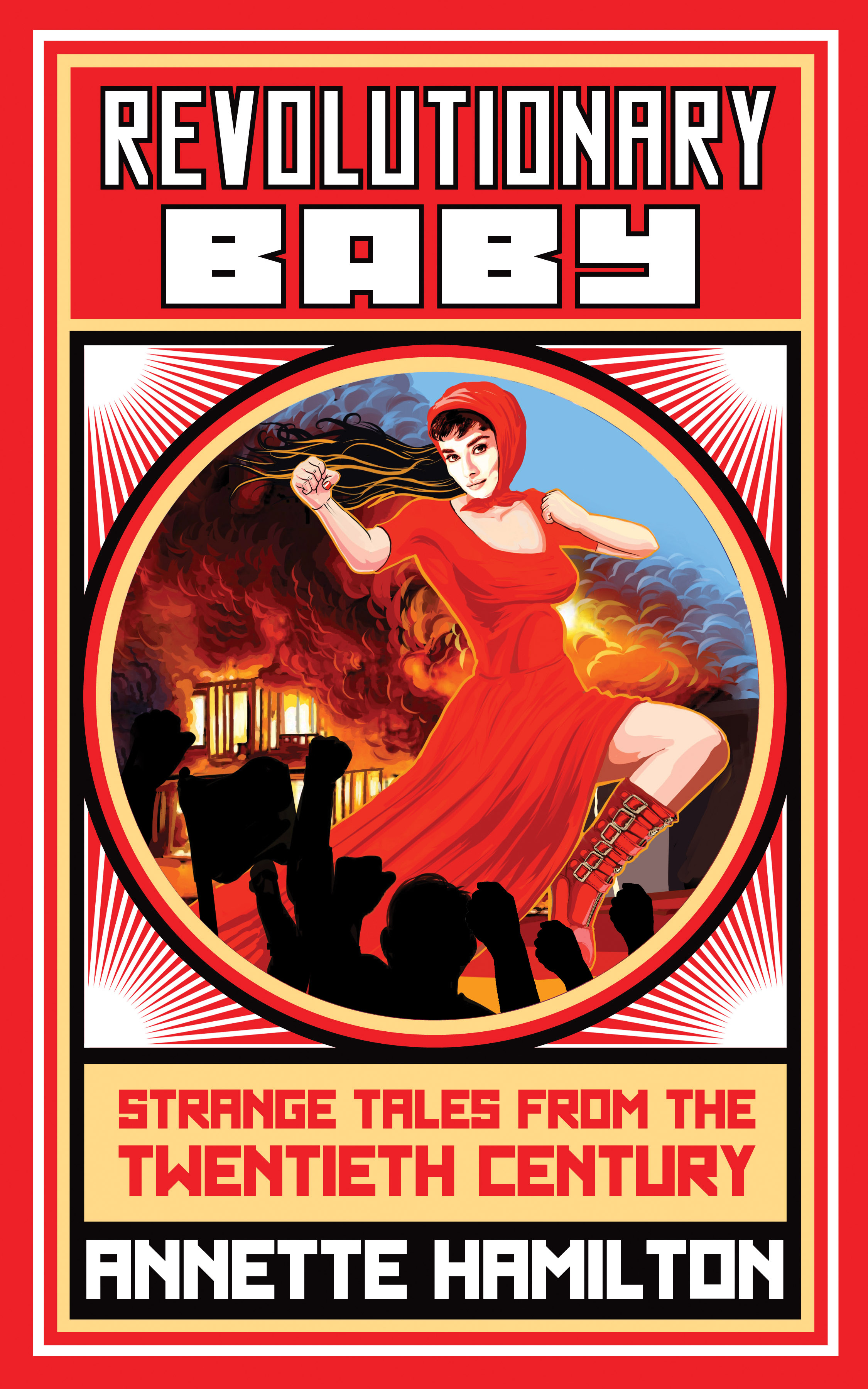
My new collection of short stories, Revolutionary Baby, has appeared. It is available online from any e-book supplier for any device (Kindle, Kobo, Apple, Nook).
The paperback version was published in early August, and is now available for order from Amazon or other online retailers. Or, visit your local bookshop and put in an order. If it isn’t listed at your local library, ask them to purchase a copy, it is listed for Australian library purchases via Ingram Spark.
For more about the writing side of things visit my writing site annette-hamilton.com
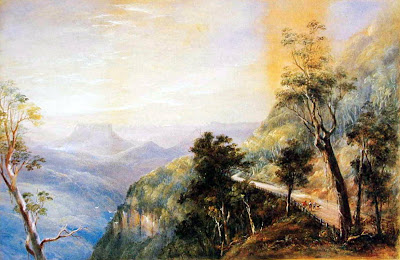
The banner headline above this post is from a remarkable watercolour of the Capertee Valley by Conrad Martens. So many artists have been fascinated by this remarkable place with its strange landforms and brilliant light. I will write more about Marten’s painting in another post.
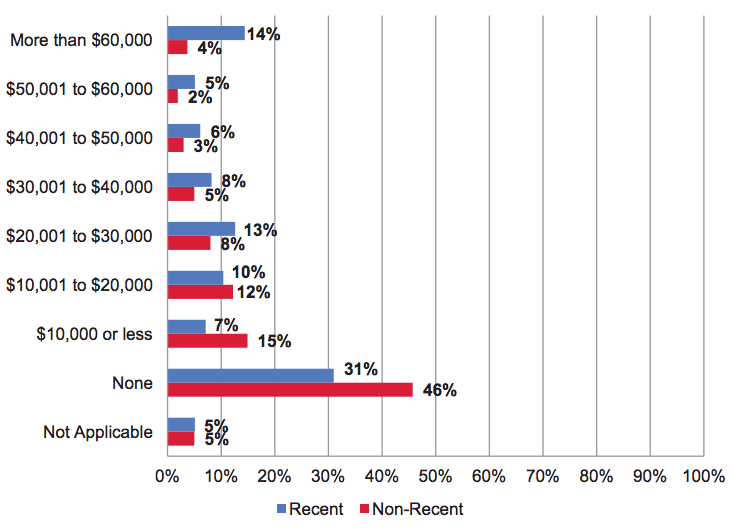
The palaver about the destiny of the three tertiary art schools in Sydney would be laughable if it wasn’t so serious. Sydney as a centre of Australian art in all its forms is slipping into oblivion. Far be it from me to make pronouncements, but I have occupied senior administrative posts in two Sydney Universities and, at the other end of the spectrum, have recently been a TAFE student in Visual Arts with major in painting. I know how the logic of the market operates in Universities and how this inevitably shapes the options in fields which do not immediately translate into lots of student numbers or ready external funding. It costs a lot to run outstanding art education and the cost per head of student is inevitably going to be far higher than the cost for running a business or standard arts program. And you can’t charge sky high fees (as in Vet Science, Medicine or Dentistry) because a degree in Fine Arts is not going to result in an assured income, or any income at all in some cases. [Although arts incomes in the US have been strongly rising recently].Rising incomes in the US for art graduates
Art education lies at the heart of a community’s ability to support a flourishing creative sector and cultural life. Art courses in secondary schools are mostly taught by teachers who are graduates of University art programs. Professional artists increasingly come from dedicated art schools. In Sydney, the three main tertiary Art programs offer three year undergraduate degrees while serious students go on to the Masters of Fine Art or beyond.
What University management expects is something very different from what artists need. The key institution in Sydney has been what is now the National Art School although in my mother’s day when she was a student under Roy de Maistre and other luminaries it was still East Sydney Tech. Most of Australia’s very best artists – painters, sculptors, printmakers and others – are graduates of the NAS. The great names of an earlier generation came out of the NAS and its more recent alumni are no less distinguished: Guy de Maestri, Luke Sciberras, Fiona Hall to name a few.
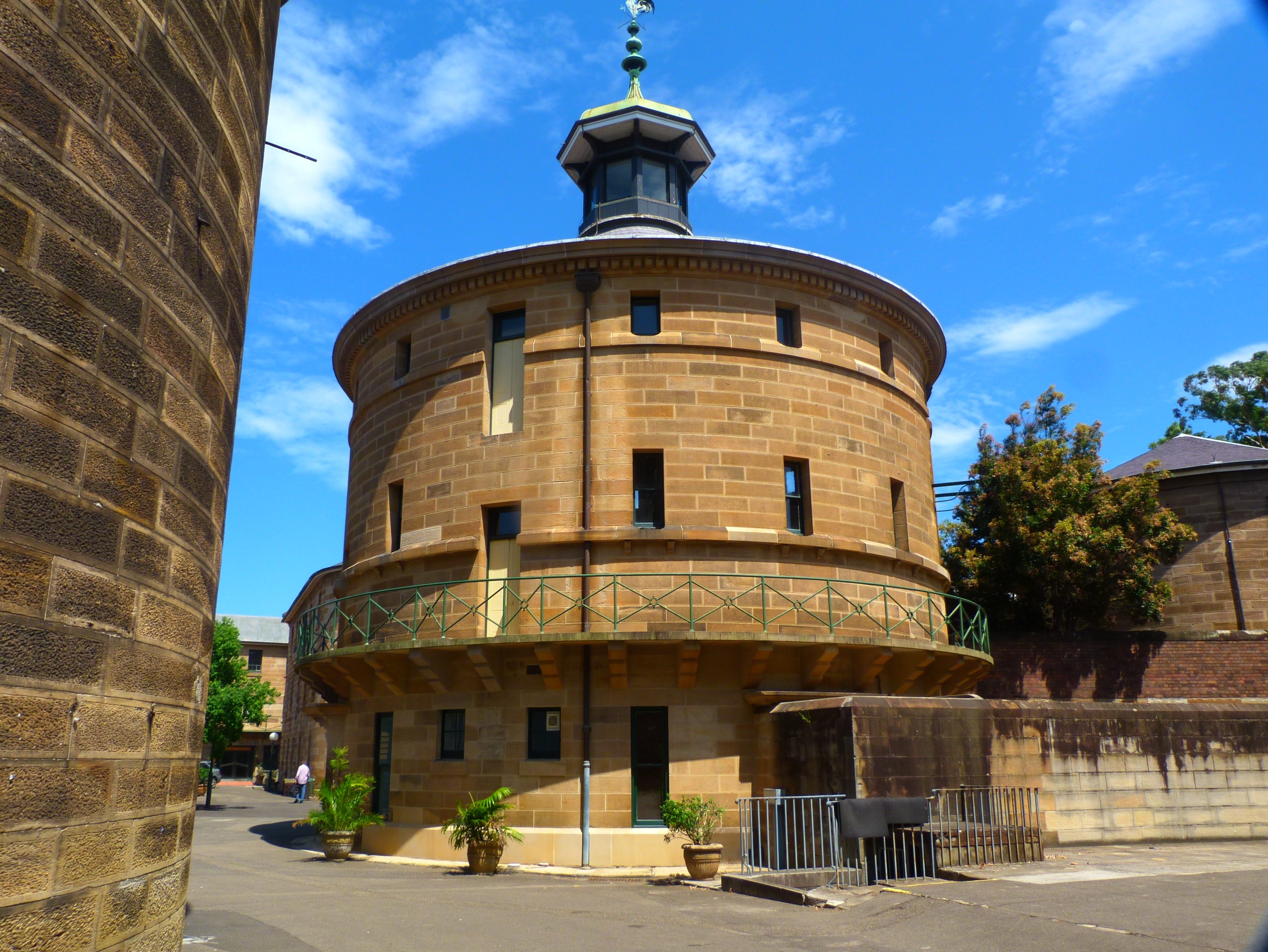
National Art School – old Darlinghurst Jail site, Sydney
A few years ago the NSW Government backed an enormous push to move the NAS into what was COFA, then a college of UNSW. This was successfully resisted, fortunately, but the pressure will not go away until somebody “up there” realises that a National Art School should be just that. I fully support the recommendation that the NAS be separately funded by the Federal Government on the same model as the National Institute of Dramatic Art. The NAS should not be a teaching program of a University but should retain its strengths in the training of practicing artists and all the other roles which necessarily go with a flourishing art culture in any great international city.
At the University of NSW the College of Fine Arts had a semi-independent identity but following a huge rebuilding program funded mostly by philanthropy it was fully integrated into the University in 2014 and its new title “UNSW Art and Design”reflects the distinctive character which has developed there, with its focus on new media, design, digital production, cinema and a fair dose of po-mo theory. Don’t mistake me, the old COFA/new Faculty does great work and offers outstanding programs and courses, but the fundamental commitment is not to the production of studio based fine arts such as painting and drawing.
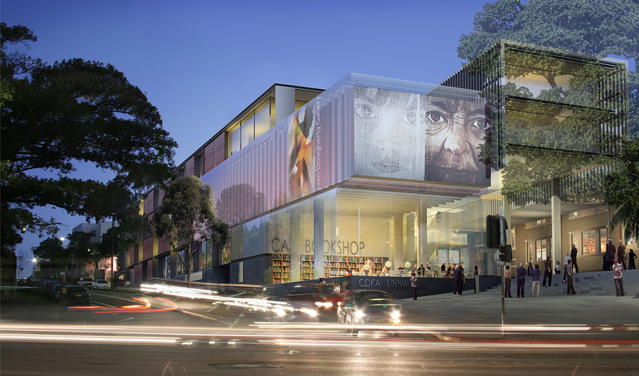
UNSW Art and Design: artist’s impression from Oxford Street Paddington
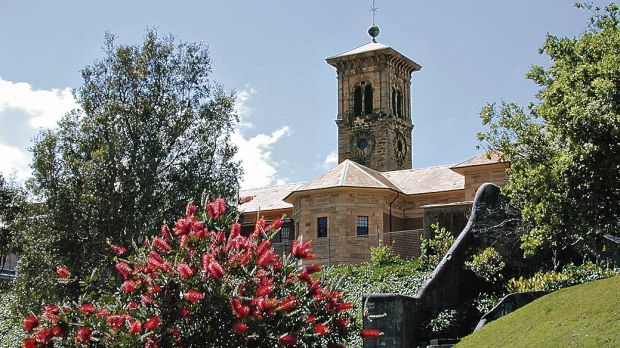
Sydney College of the Arts was originally established as a College of Advanced Education (CAE) in 1970 and was amalgamated into the University of Sydney in 1990, being given the wonderful old sandstone harbourside site of Callan Park as its home. SCA has many distinguished alumni including Ben Quilty, Bronwyn Bancroft and Locus Jones. Callan Park has been a massive dilemma for the NSW State Government which owns the site and is just itching to do something spectacular with it – new development unspecified. Local opposition to the various plans for the site with the strong support of Leichhardt Council has been able to stave this off for some years, but now that the Councils have amalgamated and with the insane development mania now gripping the NSW Goverment the likelihood of the site remaining as it is goes to zero once the art school is moved off it.
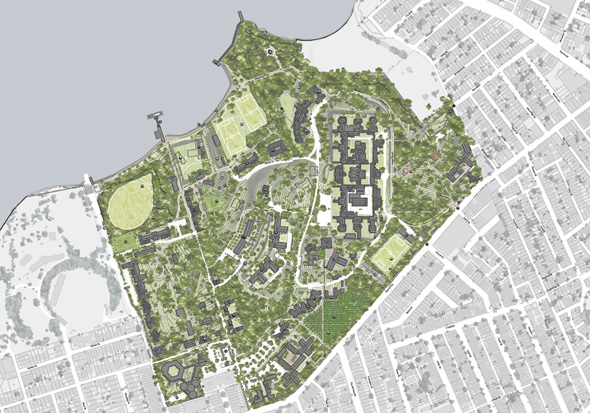
Callan Park Master Plan: glorious harbourside and classic sandstone
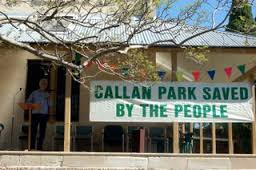
Save Callan Park success – but for how long?
Three art schools, each with distinctive profiles, cost a lot to run. It is easy to see why the planners and economists thought it would be a really good idea to amalgamate them all with what used to be COFA and have the whole lot somehow managed by UNSW. But less than a month later after the announcement of this totally unfeasible plan it’s been dropped and the SCA is going to remain with the University of Sydney but will be rolled into the Faculty of Arts.
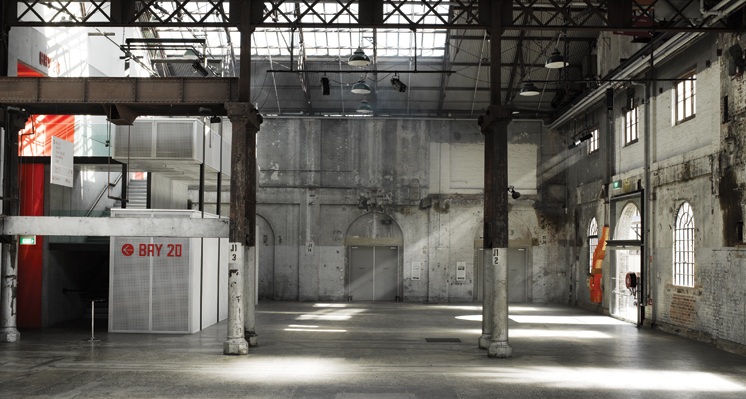
This actually makes a lot of sense although where on earth the studio facilities and art-workshops will be located on that crowded campus is anyone’s guess. But it’s not impossible to imagine something good transpiring. Carriageworks is located on an old railway site not far away and its stunning spaces host many great art exhibits. If student studio space could be developed nearby it would consolidate the cultural value of the site.
Carriageworks – at the old Eveleigh Workshops site. Amazing space!
While the Faculty of Arts at Sydney no doubt has its own financial difficulties and will not welcome trying to stretch budgets to accommodate a new Arts program, it makes sense in other ways and could open up a much wider vision for the Faculty of Arts itself which is to tell the truth pretty unadventurous. The School of Art, or whatever its name will be, could engage more deeply with other humanities areas and open up a lot of new synergies. This is where the high school art teachers, for instance, would most appropriately be trained. And other students in the Faculty could build their programs to include a new range of subjects. Good outcomes all round there, although there would still need quarantined funding for the studio programs and the various technical facilities which will go with them.
So there is a way forward and it could be a positive thing for Sydney. If only something could be done to redirect the enthusiasm of the new Director of the Art Gallery of NSW towards actually supporting art instead of wanting to be an architectural designer, and if the three art schools could be confirmed in their separate identities with different funding models, Sydney could be restored as a centre for Australian art. As it is now, all the best students want to go to Melbourne.
Was so delighted to see the ABC interview with Elisabeth recently. She expresses herself vividly on camera and you get to see a little more of her beautiful bush studio and workspace, and of the bush around which so invigorates her perceptions. The interview was prompted by her participation in the Destination Sydney three-gallery exhibit meant to showcase Sydney and its surrounds. Does this mean she is now officially “discovered”? (Or is this, as she would say, a ridiculous concept?)
The link is here – in an earlier version of this post I used an outdated link, sorry, and thanks to Cultural Conversations for the correction.
And if you go to Youtube, there are some great interview segments with Elisabeth, as well as one with her and Luke Sciberras.
She is showing at Manly Art Gallery and Museum, along with Brett Whitely and Lloyd Rees – stellar! – but the show finishes soon (February 14th) so if you are a Sydney local and a big fan better get there soon.
I think this is actually a picture of Darwin Harbour but the feeling could be Sydney.








 Annette Hamilton Art Writing from Australia